



Peptides are one of the most talked-about ingredients in skincare and one of the few that genuinely lives up to the hype. Here's what they are, what they do for your skin, and how to use them.
Skincare moves fast, and it can feel impossible to keep up with which ingredients are worth your time. But peptides have earned their place in the conversation for good reason. Skincare experts and dermatologists alike rate them as one of the most versatile, reliable ingredients you can add to a routine supporting everything from firmness and hydration to smoother, healthier-looking skin and unlike a lot of buzzy trends.
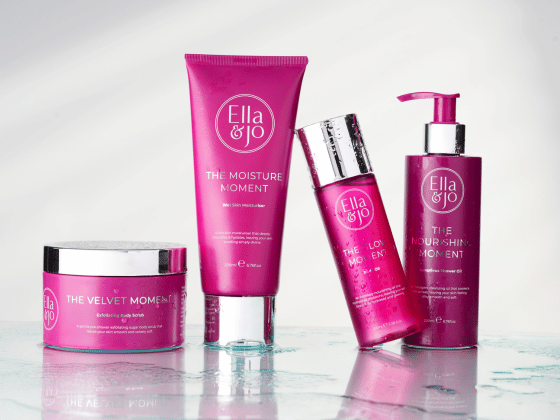
The science genuinely backs them up, that's exactly why peptides feature across the Ella & Jo skincare collection they're gentle, effective and suit almost every skin type. So, whether you're building a routine from scratch or looking to level it up, here's everything you need to know about peptides.
What are peptides?

Peptides are short chains of amino acids the building blocks of the proteins that keep your skin looking healthy, including collagen, elastin and keratin. These proteins are the scaffolding of your skin, responsible for its texture, strength, firmness and resilience.
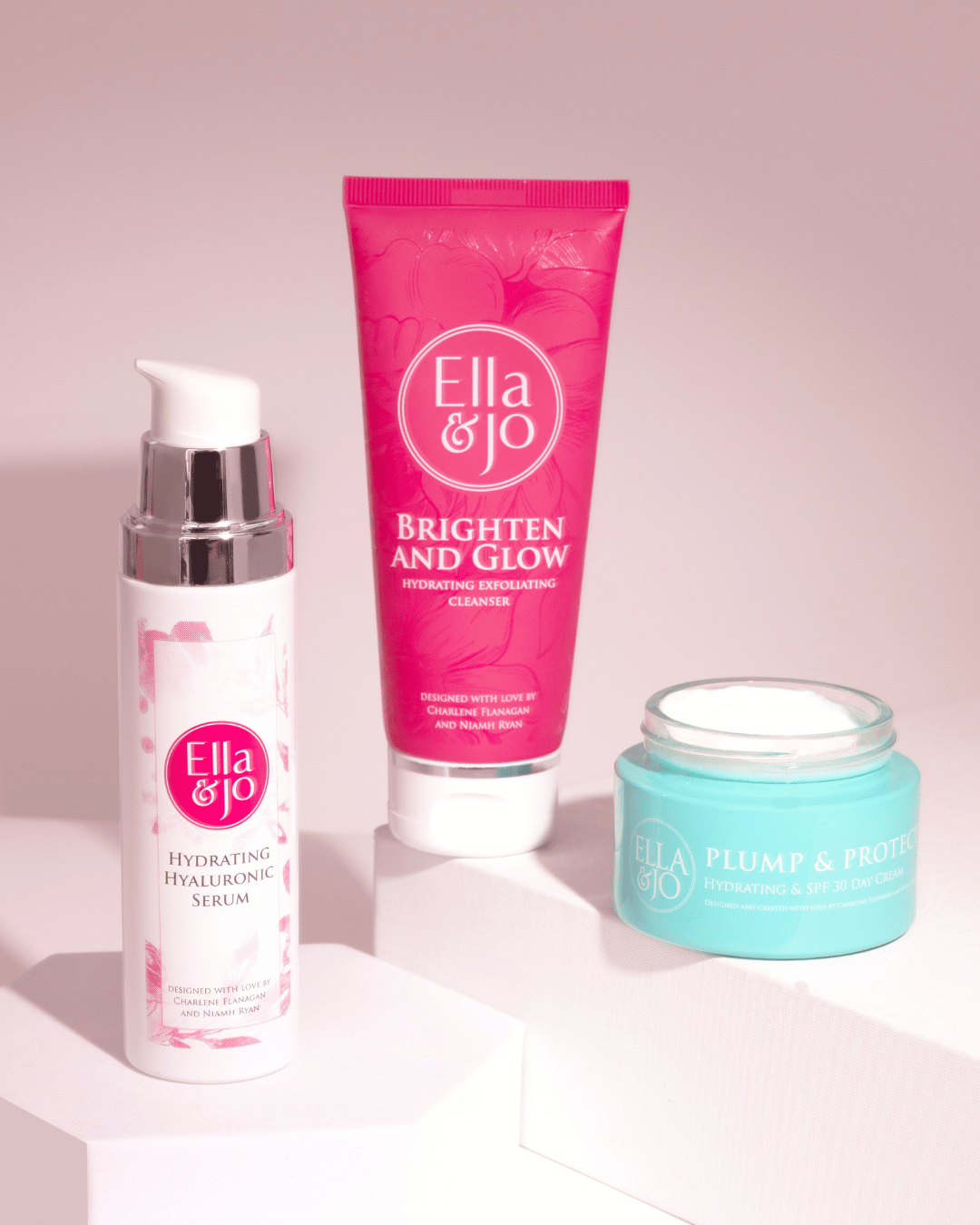
When applied topically, peptides act as messengers. They signal to your skin that it needs to repair and rebuild, prompting it to produce more collagen where it's needed most. That messaging role is what makes them such a valuable, multi-tasking skincare ingredient and why you'll find them in hero products like our Advanced Skin Support Multi-Peptide Serum and Hydrating Hyaluronic Serum, which pairs skin-firming Matrixyl 3000 (a well-researched peptide) with hydrating hyaluronic acid.
What do peptides do for your skin?
Peptides work as your skin's messengers. When applied topically, they send "repair" signals deep into the skin, prompting it to produce more collagen and elastin the proteins responsible for keeping skin firm, plump and resilient.
As we age, our natural collagen production slows, which is when skin can start to lose its bounce and firmness. Peptides step in to support this process, encouraging your skin to rebuild what it's losing and because they work with your skin's own natural functions rather than forcing a harsh reaction, they're gentle enough for everyday use while still delivering visible results over time.
In short peptides don't just sit on the surface they actively communicate with your skin to help it look and function at its best.

Benefits of peptides for your skin
So, what does all that collagen support translate to? Used consistently, peptides can help to:-
-
Boost collagen production for firmer, plumper, more youthful-looking skin.
-
Increase elastin fibres for smoother, more elastic, bouncier skin.
-
Minimise the appearance of fine lines and wrinkles by supporting the skin's underlying structure.
-
Strengthen and rebuild the skin barrier so skin stays hydrated, calm and better protected.
-
Even skin tone for a brighter, more uniform-looking complexion.
-
Calm and reduce inflammation, helping soothe redness and sensitivity.
-
Some peptides offer antimicrobial benefits that help calm blemish-prone skin
Peptides tackle so many concerns at once that they're true multi-taskers supporting firmer, healthier, more resilient skin whatever your age or skin type.

How to use peptides in your skincare routine?
The good news? Peptides are one of the easiest actives to slot into an existing routine there's no complicated ritual, and they play nicely with most other ingredients. Here's how to work them
-
Cleanse first, so your peptide serum can absorb properly into clean skin.
-
Apply your peptide serum next. Serums are lightweight and designed to penetrate, so they go on after cleansing and before heavier products. Our Hydrating Hyaluronic Serum is a lovely place to start, pairing skin-firming Matrixyl 3000 with hydrating hyaluronic acid.
-
Lock it in with your moisturiser to seal in all that goodness.
- Finish with a broad-spectrum SPF every morning to protect your skin and your results.
A simple way to remember the order cleanse peptide serum - moisturiser - SPF. Peptides are gentle and non-sensitising, so they suit both morning and evening use and because they work gradually by supporting your skin's own processes, consistency is key use them daily and give it time.

Peptides vs retinol - which is better?
It's a common question, but peptides and retinol aren't really rivals they do different jobs, and they work brilliantly together.
Retinol speeds up cell turnover, which is why it's so effective for texture and lines, but it can be too much for sensitive skin to tolerate. Peptides work more gently, signalling collagen production and supporting the skin barrier. In fact, because peptides help strengthen the barrier, they can make retinol easier for your skin to handle.
So rather than choosing one over the other, the real magic often happens when you use both letting peptides support and buffer while retinol does its thing. If your skin is on the sensitive side, peptides are the gentler place to start.
How long do peptides take to work?
Peptides aren't an overnight fix they're a long game, and a worthwhile one because they work by supporting your skin's own collagen production, the results build gradually rather than appearing instantly.
Most people start to notice improvements in firmness, texture and the look of fine lines after around 4 to 12 weeks of consistent daily use. The key word is consistent stick with it, use them every day, and let the results build over time.
Ready to add peptides to your routine? Gentle, effective and suited to almost every skin type, peptides are one of the smartest ingredients you can reach for. Get them across the Ella & Jo skincare collection or start with our best-selling Advanced Skin Support Multi-Peptide Serum and Hydrating Hyaluronic Serum, pairing skin-firming Matrixyl 3000 with hydrating hyaluronic acid for firmer, plumper skin.

Frequently Asked Question
1. Peptides vs retinol which is better for skin?
Neither is "better" they do different jobs and work best together. Retinol speeds up cell turnover but can irritate sensitive skin, while peptides work more gently to support collagen and strengthen the skin barrier. If your skin struggles with retinol, peptides are the gentler place to start, and using both lets peptides buffer while retinol does its thing.
2. Can you use peptides with vitamin C?
Yes, though it's best to use them at different times of day. Some peptides can be affected by the low pH of a direct vitamin C, so a simple approach is vitamin C in the morning and your peptide serum in the evening giving you the benefits of both without the clash.
3. Which peptides are best for firming and anti-ageing?
Signal peptides are the ones to look for, as they prompt your skin to produce more collagen and elastin. Palmitoyl Tripeptide (better known as Matrixyl 3000) is one of the most well-researched and effective for firming.
4. At what age should you start using peptides?
There's no set age, but many people begin introducing peptides in their late twenties to early thirties, when natural collagen production starts to slow. That said, peptides suit every age whether you're getting ahead of the first signs of ageing or supporting more mature skin.
5. Can you use peptides every day?
Yes. Peptides are gentle and non-sensitising, so they're safe to use every day morning and night. In fact, daily use is exactly what gets results, as peptides work gradually to support your skin's natural processes over time.